

PRODUCED IN PARTNERSHIP WITH


Hemal Bodasing
Senior Software Engineer
StretchSense
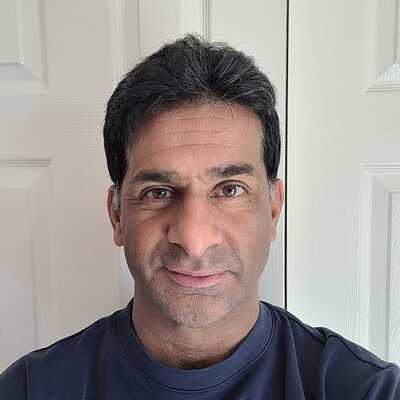
Hemal Bodasing is an award-winning XR developer and creative technologist with over 20 years of experience across the creative, corporate, and defence sectors. He currently works hands-on with glove hardware and firmware integration at StretchSense, building on a career that spans VR, AR and mixed reality development for a variety of platforms.
Earlier in his career, Hemal worked in R&D at Sony Computer Entertainment Europe, and as a games developer at various studios before moving into XR. Since then, he has delivered projects for the defence, healthcare, energy, and creative industries, including a mixed-reality collaboration system for a defence application and award-winning interactive installations featured at festivals and museums.
Hemal has extensive experience interfacing hardware such as motion sensors and depth cameras with real-time software systems and is also an experienced mentor.
Beyond Optical Tracking: What Wearable Sensors Add to XR Hands
Most XR hand interactions today rely on camera-based tracking or basic controllers — both of which struggle with occlusion, fine motor detail, and grounding a user's actions with any physical feedback.
This talk looks at what changes when you capture hand movement directly from wearable sensors instead of inferring it from cameras: better tracking through occlusion, richer gesture data, and the ability to layer in basic haptic feedback.
Using capacitive-sensing gloves as a working example, I'll walk through how sensor-based hand tracking works, where it outperforms optical solutions, and the practical trade-offs XR developers should weigh when choosing among camera-based, controller-based, and glove-based input for their next project.